Mobile Toilets: Eco-Friendly Solution for Water Conservation
Have you ever thought of the amount of water that is flushed down the drain every day just to ensure basic sanitation? As water is becoming increasingly scarce and as environmental issues are being regarded as more significant, our approach to waste and hygiene matters nowadays is more relevant than ever. Conventional toilets use a lot of water; they tend to waste away litres of water each time they are flushed. In this regard, eco-friendly portable toilets come in as a viable and sustainable solution.
These contemporary sanitation models are designed to ensure that little water is wasted and yet provide hygiene and comfort in events, construction sites, and in the general public areas. We will look into the benefits of using eco-friendly portable toilets in terms of water use and reasons why these products are becoming a necessity when it comes to responsible sanitation planning.
1. Introduction to Eco-Friendly Portable Toilets
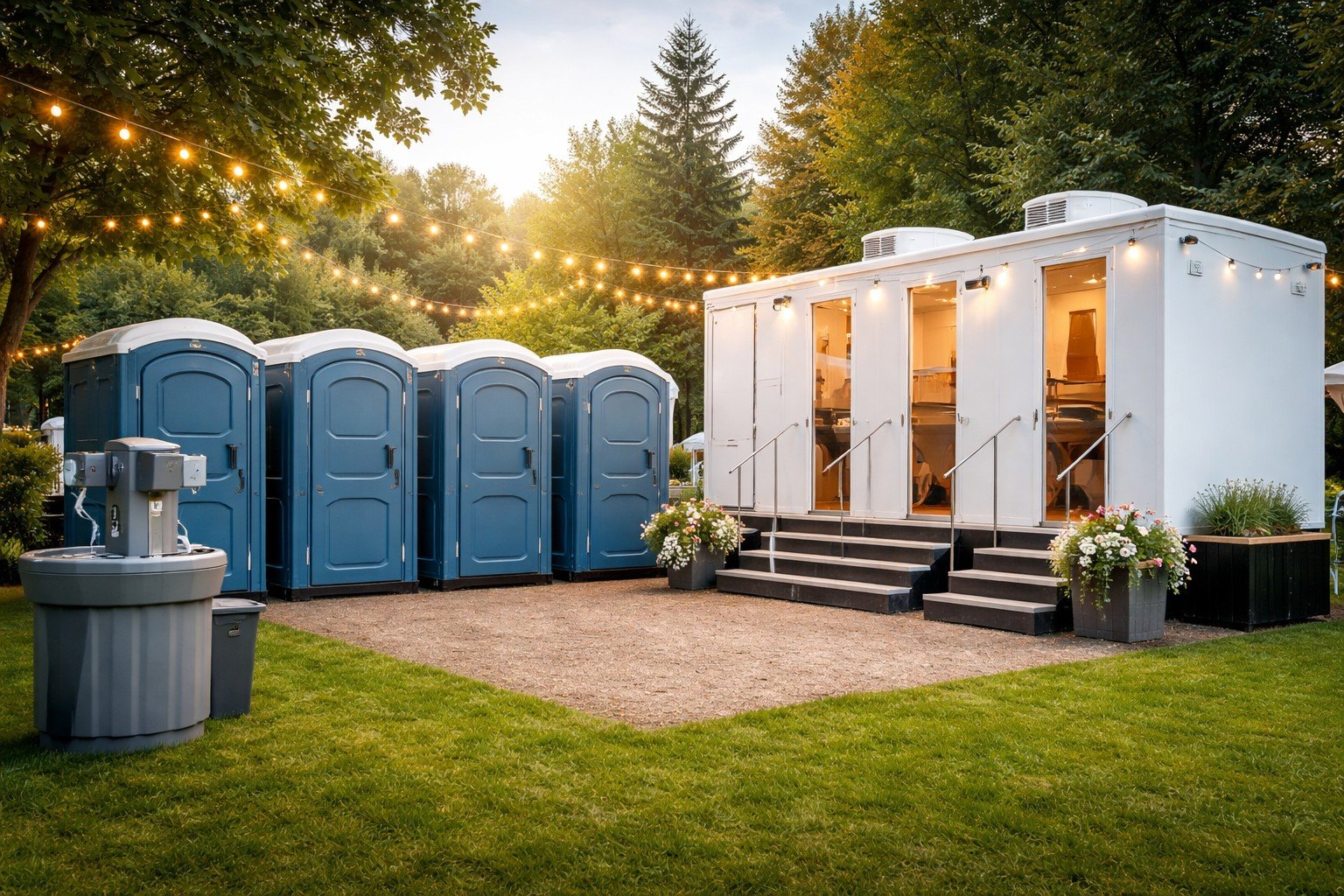
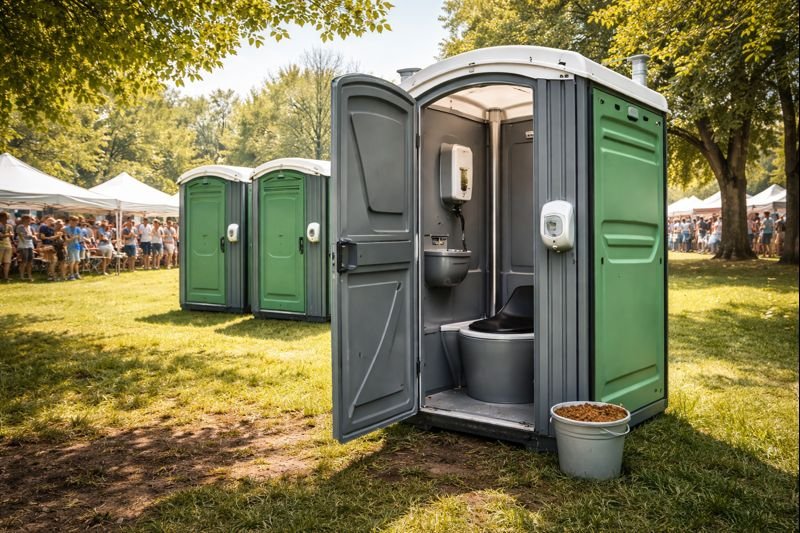
Portable toilets that are eco-friendly are put into focus by sustainability by professional teams. The portable eco toilets have a superior waste management system that uses less or no water at all unlike the traditional toilets that require a lot of water to flush. Several models work with the help of chemical treatments, vacuum systems or composting machines that are able to decompose waste effectively without a lot of water.
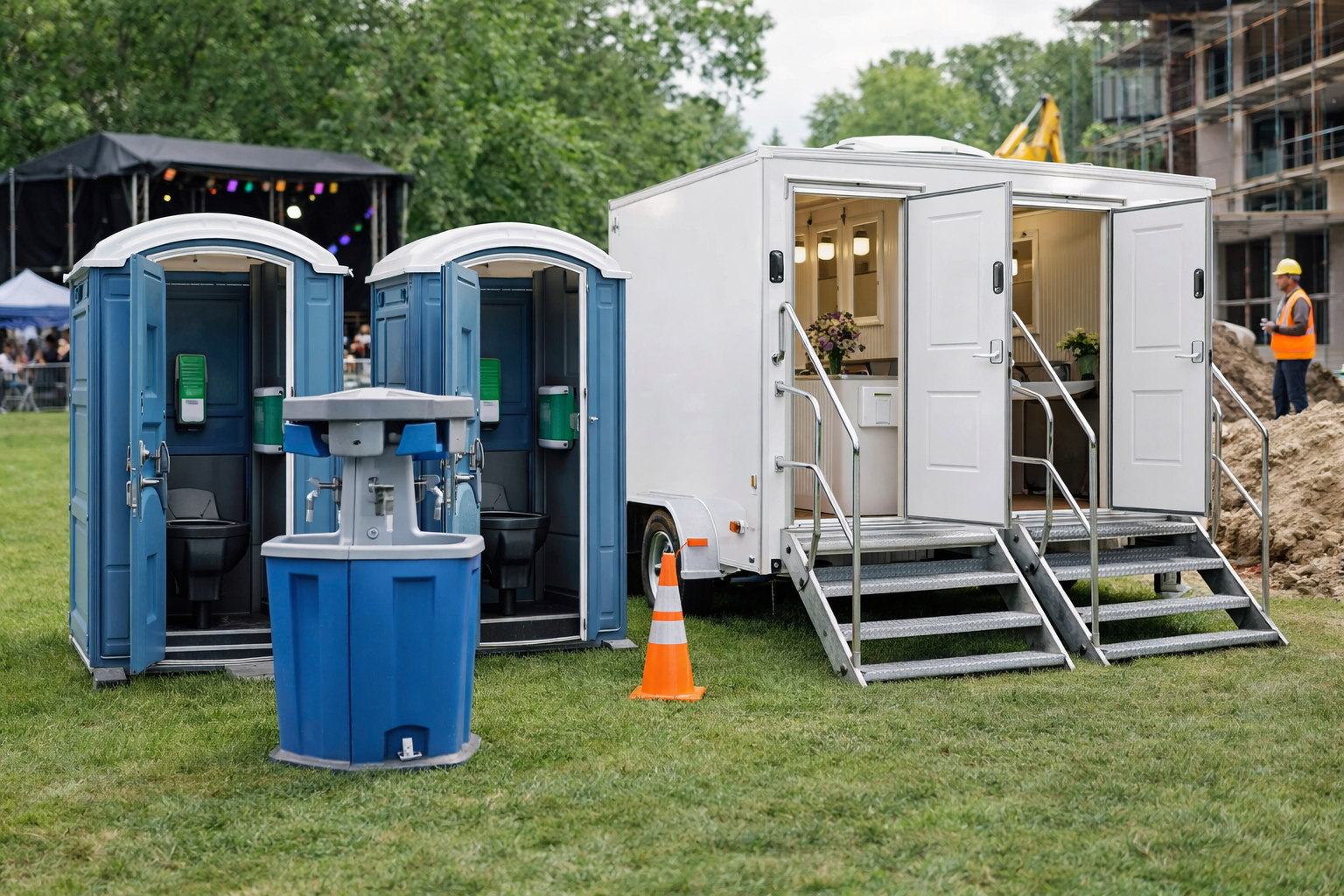
These are toilets which are mostly employed during outdoor activities, construction sites, during disaster relief efforts and in remote areas where people can barely access plumbing. Nevertheless, they are much more than convenient, which is their benefit, since they promote environmental conservation.
2. The Role of Traditional Toilets in Wasting Water
In order to see the real value of the contribution of eco-friendly portable toilets, it is necessary to consider the issue that these toilets are aimed at. The amount of water used per flush of a standard flush toilet is between 6 and 13 litres. This contributes to enormous wastage of water within a very brief time in high population zones like festivals, work sites or events of the people.
Also, the older pipes tend to leak, have poor flushing systems and other maintenance problems, which end up consuming more water. The environmental cost is terrifying when it is multiplied by hundreds or thousands of users.
3. Minimal or Zero Water Usage
Among the greatest water-saving effects of eco-friendly portable toilets is the fact that these types of toilets can use little or no water. Most of the portable toilets in the modern world rely on closed holding tanks with biodegradable chemicals that eliminate odours and decompose waste. The water usage reduces significantly as flushing with water is either restricted or it is not required.
Composting toilets go further to transform garbage into compost using natural ways to decompose garbage. No water is needed in these systems, they are suitable in areas that are sensitive to the environment.
4. Smart Waste Management Systems
The portable toilets that are environmentally friendly have intelligent waste containment and treatment mechanisms. The waste is not disposed of in the sewer system,s and it is safely kept and subsequently taken to treatment plants. This is a regulated method that minimises the use of water, as well as prevents water pollution of the soil and the surrounding environment.
Others are high-tech, where some flushing systems are based on the vacuum, which consumes a very small percentage of water that conventional toilets consume, and this provides efficiency and hygiene.
5. Less Reliance on Plumbing Infrastructure
One other indirect yet effective means through which the use of eco-friendly portable toilets saves water is by minimising the reliance on permanent plumbing systems. Conventional toilets need a lot of piping, water supply lines, as well as constant maintenance; this can result in leakages and loss of water in the long run.
Portable toilets overcome all these risks, as per the sayings of expert crew. Having been designed as independent systems, there is no possibility of an underground leakage or continuous flow of water, thus making them a safer and more water-sensitive solution.
6. Best to use in High-Traffic and Temporary Places
Huge events, construction projects and crowds are normally subjected to intense and temporary use only to be discarded. It is not practical and economical to install such temporary toilets on a long-term basis. The ecologically friendly portable toilets would be a good alternative as they can offer adequate sanitation without constant use of water.
Their capacity to cope with extensive use and remain clean is particularly useful in cases when a water source is scarce or should be used in other areas.
7. Promoting Green Practices and Policies
There are increased water conservation and sustainability laws that are being enforced in many areas. Eco-portable toilets enable companies, event organisers and contractors to adhere to these requirements with a lot of ease. The organisations indicate their environmental responsibility and the bigger sustainability agenda by selecting water-saving sanitation solutions.
Also, the low water consumption results in less operational expenses, and eco-friendly portable toilets were a highly smart and economically sound decision.
Conclusion
The green portable toilets are significant to reduce consumption of water and can provide dependable and sanitary services of toilets. Instead of using the traditional toilets, they offer an alternative that eliminates the flushing that is not necessary, opens new intelligent waste management, and reduces the reliance on the plumbing system. With the issue of water conservation turning into a matter of pressing worldwide concern, the utilisation of portable toilets that are environmentally friendly is an easy yet decisive solution to the responsible treatment of resources.